The Power of “Coffee Talks” – Building Real Connections with Your Team

Let’s be honest—most one-on-one meetings are more about project updates than real connection. You sit in a conference room, run through the same checklist, and leave with little more than a few new action items. It’s a routine, not a relationship-builder.

But what if there was a better way?

FEATURED INSIGHT: Why You Should Start Having “Coffee Talks” with Your Team

A Coffee Talk is exactly what it sounds like: a dedicated, one-on-one conversation between a leader and an employee, away from the usual office distractions. Whether you actually grab coffee or just step out for a walk, the point is the same—ditch the agenda and focus on the person in front of you.

Why does this matter? Because real leadership isn’t just about managing work. It’s about building trust, surfacing new ideas, and creating a team that feels connected, supported, and heard.

The Purpose Behind the Talk

Here’s what makes Coffee Talks so effective:

  • Build Trusting Relationships: Show up, listen, and keep showing up. Over time, your team learns you care about their growth and well-being—not just their output.
  • Connect Routinely: Make Coffee Talks a regular thing. Aim for once a month with each team member. Consistency is what turns connection into culture.
  • Revisit Key Discussions: Use this time to follow up on past challenges or wins. Asking, “How did that turn out?” shows you remember and care.
  • Ask for Their Ideas: Your team knows where the snags are. Invite them to share what could be improved. You’ll get better solutions—and a more empowered team.
  • Ensure They Have What They Need: Ask directly if they have the tools, resources, or training they need. Removing obstacles is one of the most powerful things you can do as a leader.

Ending with Meaningful Feedback

Don’t let the conversation end without closing the loop. After you’ve listened and connected, ask for Start, Stop, and Keep feedback:

  • Start: “What’s one thing you’d like me to start doing as your leader?”
  • Stop: “What’s one thing I should stop doing?”
  • Keep: “What’s one thing you want me to keep doing?”

This not only signals that you’re open to growth—it shows your team their voice matters. Over time, these honest exchanges build a culture where feedback flows both ways.

Quick Insight of the Week

Stat: According to Gallup, teams that report having regular, meaningful conversations with their managers are up to 3x more likely to be engaged at work.

Takeaway: Coffee Talks aren’t just a nice extra—they’re a practical, powerful way to build trust, spark new ideas, and strengthen your team from the inside out.

Try This: Schedule your first Coffee Talk this week. No agenda, no laptops—just a real conversation.

Let’s Talk!

Have you tried Coffee Talks with your team? What’s worked—or what’s gotten in the way? Share your stories and tips in the comments.

Final Thought

Great leadership starts with great conversations. Sometimes, the most impactful thing you can do isn’t to give direction—it’s to show up, listen, and build a relationship that lasts.

Thanks for reading Table Talk. Stay tuned for more practical tools, honest stories, and fresh insights next time.




Mastering the 1440 – Time Management That Works.

Welcome to Table Talk, your inside look at the people, practices, and progress shaping Luby’s Culinary Services. Today, we’re zeroing in on something everyone has but few truly master: time.

We all get the same 1,440 minutes each day. The difference between feeling overwhelmed and being truly effective often comes down to how we manage those minutes.

At Luby’s Culinary Services, we know that strong time management isn’t just about blasting through a to-do list—it’s about building skills that carry across every role, every industry, and every stage of a career. That’s why mentoring and training around time management is woven into how we support our employees’ professional growth.

FEATURED INSIGHT: 1440 Minutes—Spend Them Like Gold

Here are a few of our top reminders we share in training:

1440 Minutes a Day: Time is your most valuable currency. Choose wisely where you spend it.

Schedule Your Routine Tasks: Use calendars, reminders, and planning tools to lock in your recurring priorities. Automate what you can, so you can focus where it counts.

Keep an Effective To-Do List: Try the Eisenhower Matrix—separate what’s urgent from what’s important to focus on what really moves the needle.

Prioritize for ROI: Not all tasks deliver equal value. Give your best energy to the work with the biggest impact.

Build a Routine: Structure reduces decision fatigue and keeps your momentum strong.

Leverage Tools: From apps to paper checklists, the right resources make time management easier and more consistent.

Additional Best Practices to Consider

  • Time Blocking: Dedicate specific blocks of time for deep work, meetings, and breaks.
  • The 2-Minute Rule: If something takes less than two minutes, do it right away.
  • Avoid Multitasking: Focus on one task at a time to reduce mistakes and improve quality.
  • Plan for the Unexpected: Leave buffer time in your day for surprises or adjustments.

Learning Spotlight: Insights from Cal Newport

Productivity expert Cal Newport doesn’t just focus on getting more done—he’s all about protecting your ability to focus.

We’ve already covered some of these, but here are a few of Newport’s sharpest strategies:

🔹 Deep Work > Shallow Work: Reserve uninterrupted time for high-impact tasks.

🔹 Time Blocking: Map your day into dedicated time slots instead of just relying on to-do lists.

🔹 Attention is Finite: Multitasking drains focus. Guard your attention like the limited resource it is.

🔹 Shutdown Rituals: End each workday with a routine to close loops and fully recharge.

🔹 Digital Minimalism: Be intentional about your apps, tools, and notifications. Simplify wherever you can.

Quick Insight of the Week

Stat: According to research, professionals who schedule their days with time blocks are far more likely to reach their weekly goals than those who just make a list and hope for the best.

Takeaway: When you invest in mastering your minutes, you don’t just become more productive—you create space for innovation, problem-solving, and true professional growth.

Try This: Audit your next workday. Where are your “leaky minutes”? What’s one small change—maybe a block for deep work, or a real shutdown routine—you could try this week?

Let’s Talk!

How do you maximize your 1,440 minutes each day? Drop your best time-saving hacks, routines, or even your time-wasters in the comments. Let’s build better habits together.

Final Thought

The best leaders don’t just manage their time—they protect it. Sometimes, the biggest difference in your week starts with a single, intentional change in how you spend your day.

Thanks for reading this edition of Table Talk. Stay tuned for more practical tools, real stories, and fresh insights next time.


The Real Drivers of Food Cost (And Why Inventory Matters More Than You Think)

Let’s be honest—when food cost creeps up, the first instinct is often to blame waste, theft, or over-ordering. Sure, those all matter. But if you want to control food cost for real, you need to start with the basics: how you do your inventory.

Here’s why: Small inconsistencies in inventory—what you count, how you count, and even who counts—can throw off your numbers in ways that no spreadsheet can fix. One manager includes spices, the next skips them. Pricing is based on last month’s invoice, not today’s. Case sizes aren’t double-checked. Suddenly, you’re making big decisions on bad data.

The Hidden Variables: What Really Skews Your Food Cost


Let’s break down the usual suspects:

  • Pricing mistakes: Are you using your current vendor pricing and the most up-to-date prices on all items? Is everyone using the same units, the same case sizes?
  • Portioning: Is your staff serving the right amounts, or is “just a little extra” costing you big? Every extra scoop, slice, or ladle adds up over time.
  • Waste and yield: Is your kitchen producing too much or too little? Are you tossing out more than you should, or running out at the worst time?
  • Theft: No fun to talk about, but It’s real, and it’s often subtle.
  • Consistency: This one flies under the radar. If your inventory process isn’t rock-solid—same items, same timing, same standards—your food cost numbers are just guesses.

Red Flag: If two managers can’t agree on what goes in the inventory, your food cost is already off before you start. Pro Move: Set clear rules for inventory—what’s counted, how it’s priced, and who’s responsible. Then stick to it, every single time.

MYTH BUSTER: “If We Just Buy Less, Our Food Cost Will Drop”

This one’s everywhere. When budgets get tight, the knee-jerk reaction is to cut back on ordering. But here’s the thing: not buying inventory doesn’t actually lower your food cost. All it does is set you up to run out of product, kill sales, and frustrate your team. As long as you’re ordering smart, the inventory you have at month’s end goes back into the calculation. What matters most is how you manage what comes in and goes out—not just how much you buy. Spending less on groceries doesn’t guarantee a lower food cost; it’s about tracking waste, portion accuracy, and above all, having a consistent, reliable inventory process.

Quick Insight of the Week  

Stat: Industry data shows that inconsistent inventory practices can swing reported food cost by 2–5%—enough to turn a profitable month into a problem one.

Takeaway: Inventory Isn’t Just a Chore. It’s Your Food Cost Compass.  

If you want to control food cost, start by controlling your inventory process. Decide what gets counted, update your pricing regularly, and make sure everyone is following the same script. It’s not glamorous—but it’s how you build a kitchen that wins on the numbers and the plate.

Try This: This week, audit your next inventory. Where are the inconsistencies? What’s one small change you could make to tighten things up?

Let’s Talk! What’s the toughest food cost challenge you’ve wrestled with? Drop your war stories and best advice in the comments—we’re all in this together.

Final Thought Managing food cost isn’t about magic tricks or drastic cuts. It’s about getting the basics right, every single time. Sometimes, the smallest changes in your inventory process make the biggest difference at the end of the month.

Thanks for reading this edition of Table Talk. Stay tuned for more practical tools, real stories, and fresh insights next time.



What’s Really Behind Poor Performance? (Hint: It’s Not Always Motivation)

The latest edition of Table Talk explores the real drivers behind workplace performance gaps, challenging the common assumption that low results stem from poor motivation.

Instead, it emphasizes the importance of diagnosing the root causes—whether related to resources, clarity, training, or systems—before jumping to conclusions. Drawing from research by experts like Daniel Pink, Gallup, and McKinsey, the article highlights that performance issues are usually about misalignment between expectations and support, not laziness.

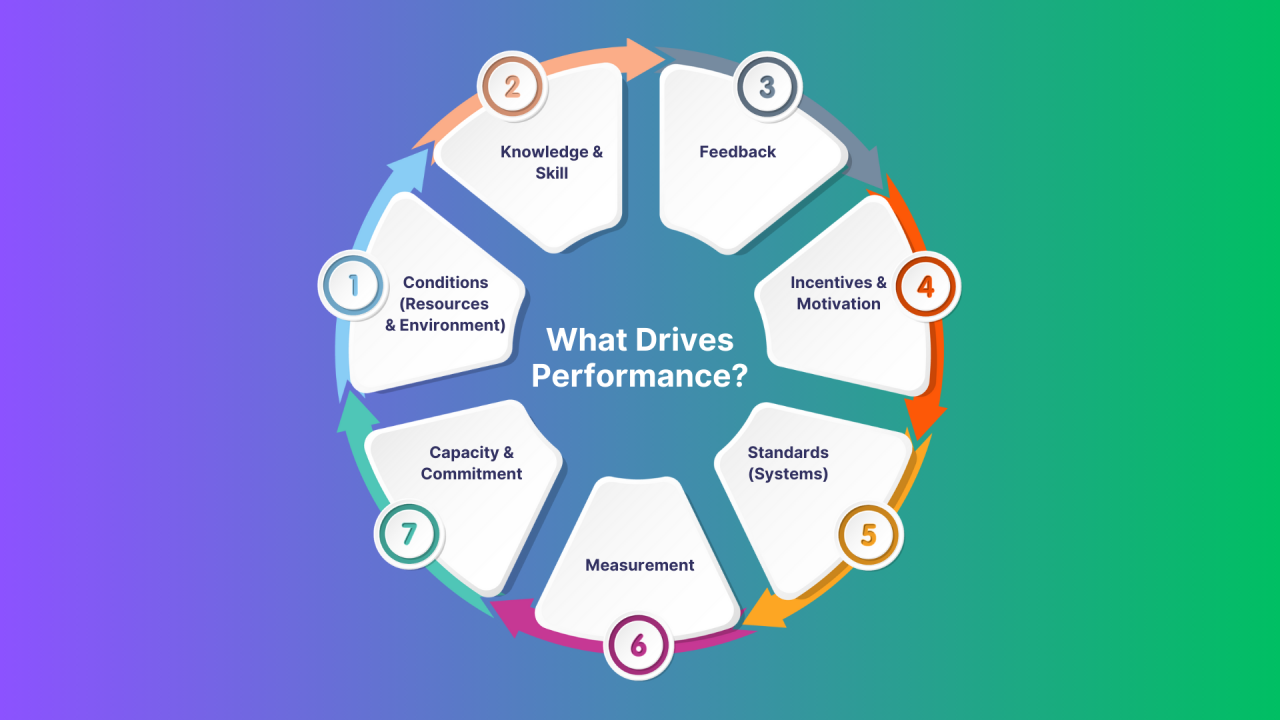
To address these challenges, the article introduces seven key motivators that influence job performance: conditions, knowledge and skill, feedback, incentives, measurement, standards, and capacity. Leaders are encouraged to assess these factors systematically and use the “Before-During-After” model for performance conversations to keep discussions constructive and solution-focused. The takeaway is clear: diagnose first, respond second. By tackling misalignment rather than assuming disinterest, leaders can create meaningful improvements, inspire growth, and strengthen team performance.

Read More

Transforming Critical Care Through Strategic Nutrition Management:

At DHR Health in Edinburg, Texas, a groundbreaking partnership between Luby’s Culinary Services and the hospital’s critical care team is reshaping the role of clinical nutrition in patient recovery.

Traditionally seen as secondary in intensive care, nutrition is now recognized as a vital component of treatment—especially for patients on ventilators or enduring long ICU stays. This collaborative model highlights how proper nutrition management can improve outcomes, contributing to achievements such as the Joint Commission Disease Specific Certification in Respiratory Failure.

Leveraging more than 75 years of culinary expertise, Luby’s Culinary Services brings a unique blend of clinical nutrition therapy and restaurant-quality dining to healthcare. Board-certified dietitians design tailored medical nutrition plans that not only meet therapeutic needs but also encourage patients to eat, turning meals into a true part of the healing process. By combining science-based nutrition protocols with patient-centered food experiences, Luby’s demonstrates how hospital dining can move beyond service and become an essential driver of recovery.

To read the entire article, click here.